
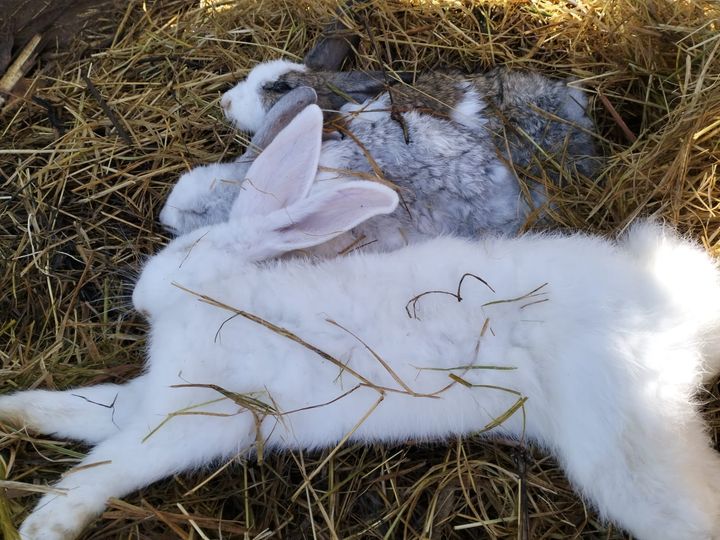
Rabbits are relatively easy to raise — if you know what you’re doing. For a long time, rabbit farming was primarily considered a children’s or youth activity. However, rabbits have become more significant than we previously realized, both as a source of food and for economic purposes. Today, more animal feed manufacturers in Kenya are producing rabbit pellets to support the growing number of rural and urban rabbit farmers. It is now common to find supermarkets and butcheries in Kenyan metropolitan areas stocking rabbit meat, as well as hotels serving rabbit dishes. As a result, there has been a noticeable increase in adult business entrants into rabbit farming.
When an adult farmer begins keeping more than just a handful of rabbits — often using the same casual approach suited for small numbers (typically fewer than ten) — mortality issues tend to emerge. These problems become even more pronounced when scaling up rabbit production for larger operations.
So, what exactly causes a rabbit to die suddenly? More often than not, mortality is linked to disruptions in a rabbit’s delicate digestive system, or complications from non-gut-related diseases. Rabbits can be protected from most of these issues by a farmer who has been trained to take proactive measures. Proactive measures include proper housing, good farm management, careful selection of breeding stock (where parenting ability contributes to the outcome of the kits), and proper feeding. With the right knowledge, you can run a rabbit farm free of unnecessary medications.
Below is an expanded list of causes, aimed at beginning farmers who may be experiencing this challenge. The causes often relate to each other, with one issue compounding another, ultimately leading to sudden death.
- Lack of Knowledge on Identifying Healthy vs. Sick Rabbits: Jumping into rabbit production without proper farm-based training can lead to unexpected challenges, especially if your previous experience was limited to casual, small-scale rabbit keeping. Recognizing the signs of a healthy versus a sick rabbit is crucial. There are numerous indicators of illness in rabbits, and being able to spot them early allows for prompt treatment, which can prevent sudden death. Without adequate training, you may lack the awareness needed to evaluate distress signals in rabbits, increasing the risk of mortality.
- Untreated Disease: Some rabbit diseases, when left untreated, can eventually lead to the rabbit’s death. For example, if a rabbit with a severe case of snuffles is bred without treatment, it faces the added burden of pregnancy with a compromised immune system. This rabbit must support both its own health and that of its developing offspring. While it may survive until delivery, it could then develop body weakness and die, or be too weak to care for its offspring, leading to their potential death as well. Untreated diseases can also cause severe dehydration, rapid weight loss, and organ failure. Respiratory infections may worsen, causing difficulty in breathing, which can lead to suffocation. In cases like gastrointestinal stasis, where food stops moving through the gut, the rabbit can die from bloating and toxin buildup. Furthermore, untreated parasitic infections, such as coccidiosis, can cause severe diarrhea, internal bleeding, and eventual death. The stress of chronic illness also weakens the rabbit, making it more vulnerable to other infections, which can compound the issue and result in sudden death.
- Sudden Change of Diet: Rabbits have very delicate digestive systems that rely on a consistent diet, especially one rich in fiber, such as hay, wilted vegetables, and high-quality pellets. A sudden change in diet, whether it’s switching to a new type of pellet, introducing new foods too quickly, or offering treats that are not part of their regular routine, can disrupt the balance of bacteria in the rabbit’s gut. This disruption can lead to gastrointestinal upset, including diarrhea, bloating, and gas accumulation. In some cases, it can trigger Gastrointestinal Stasis (GI Stasis), which, if untreated, can cause sudden death. Additionally, changes in diet can cause nutritional imbalances. For example, too much sugar or fat in the diet from certain fruits or treats can cause obesity, liver damage, or insulin resistance. On the other hand, a lack of essential nutrients like calcium, vitamins, and minerals can weaken the immune system, making the rabbit more vulnerable to disease. When a rabbit’s digestive system is suddenly overwhelmed by unfamiliar food or improper balance, it can lead to shock, dehydration, or systemic infection, all of which can quickly become fatal without proper intervention. It’s crucial to introduce any diet changes gradually, allowing the rabbit’s digestive system to adjust to the new foods over a period of days or weeks.
- Introducing Or Using Fresh Greens as the Primary Diet: Many farmers in Kenya have raised rabbits for decades using fresh greens. So, why is this practice now being questioned? The rise of rabbit pellets has provided a convenient, concentrated, and consistent source of nutrition that is often more reliable than using greens as the primary diet. Sourcing fresh greens, particularly for urban farmers without large tracts of land, can be logistically challenging. Pelletization addresses this issue by compacting essential nutrients into a manageable feed format, which ensures better weight outcomes for rabbits, especially in larger-scale operations. When starting a commercial rabbit venture, you’ll likely source your breeding stock from large-scale farmers who typically feed their rabbits a diet of pellets, hay, and water. Hay, which still constitutes over 80% of the urban farmer’s diet, helps solve the logistical challenge of sourcing fresh greens, as hay is readily available from large-scale producers who supply other livestock industries in Kenya. In contrast, smaller-scale rural farmers with only a handful of rabbits may not have enough stock to sell, and their rabbits are often fed primarily fresh greens. For these farmers, rabbit production is often more of a non-urgent domestic venture, and they may not face the same cost pressures as urban farmers. If you’re transitioning rabbits from a small-scale operation to a commercial one, it’s crucial to implement a gradual diet change, over one to two weeks, with probiotic support to aid digestion. Sudden dietary changes, especially introducing fresh greens as the primary diet, can overwhelm a rabbit’s digestive system. Fresh greens are tougher and harder to digest compared to wilted greens, which are gentler on the rabbit’s gut.
- Risk of Gut Shock from Sudden Feed Changes: Switching a rabbit’s diet abruptly can cause gut shock, especially when transitioning from one type of feed to another—such as from greens to pellets and hay, or vice versa—or when switching between pellet brands with vastly different formulations. For example, introducing fresh greens after a weeding season and then switching to pellets and hay just a week later is not advisable. Consistency is key. Choose a diet that you can maintain without frequent changes. If you prefer greens as the primary diet, ensure you manage your fodder supply properly. Plan your harvests so that, by the time you finish harvesting one section of your farm, the other section has regrown enough to provide a continuous supply of greens. To support this transition and prevent gut shock, we recommend adding kefir milk as a probiotic aid to your rabbits’ drinking water at a concentration of 0.5% to 4%. This can also be given routinely, such as once every week or every two weeks. Kefir is not only beneficial for rabbits but also a superfood for humans. You can order the kefir culture from us—once you buy the grains, you can use them indefinitely!
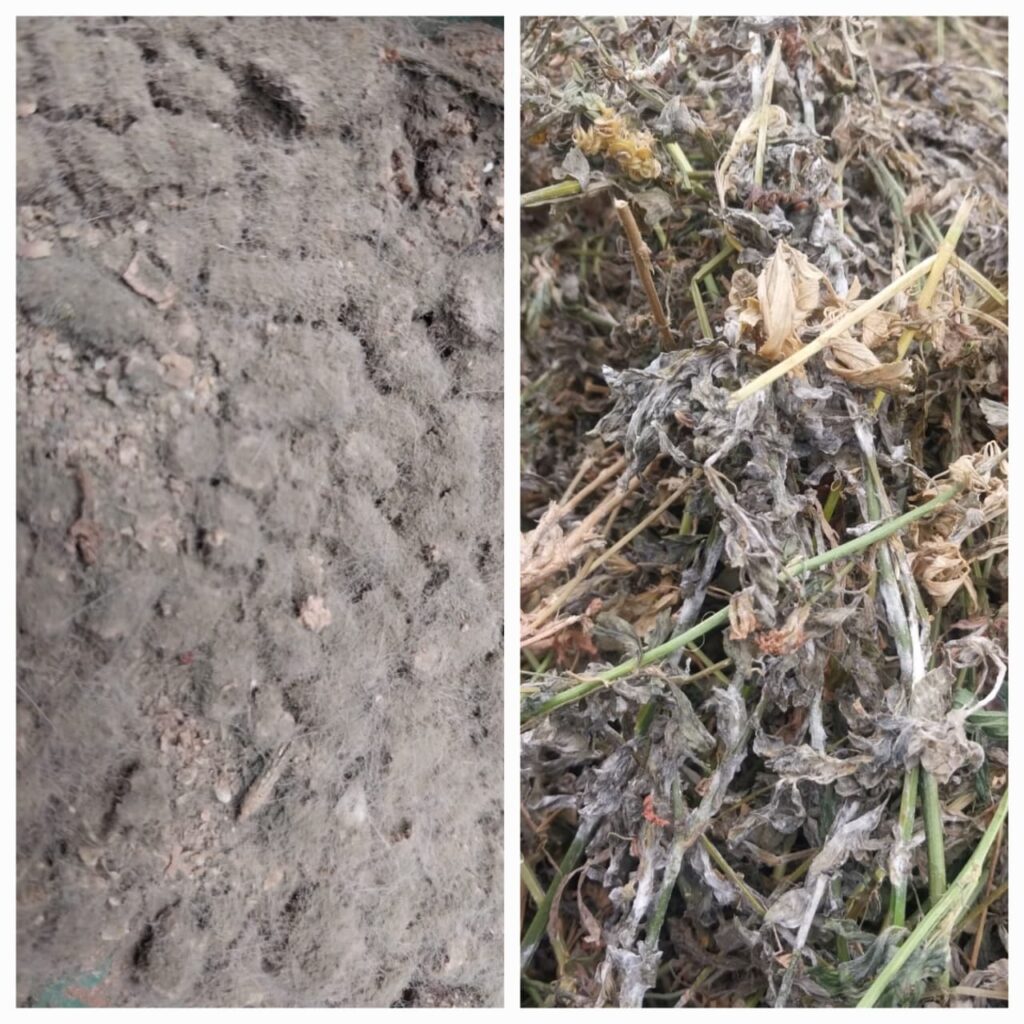
- Poisonous Feeds: Feeding your rabbits a primary or supplementary diet that includes poisonous weeds can be fatal. Similarly, purchasing pellets from unscrupulous manufacturers who use harmful ingredients, such as aflatoxin-contaminated grains, can lead to serious health consequences. Additionally, storing pellets for extended periods in damp conditions—whether for months or even a year—can encourage mold growth, which is toxic to rabbits. For example, if you only keep two rabbits, purchasing a tonne of pellets intended to last two years is ill-advised. Pellets can spoil within six months under moist storage conditions and become unsafe for consumption. Moldy hay, especially if exposed to rain during storage or harvesting, may also become poisonous. Furthermore, hay or greens treated with pesticides may contain harmful residues, posing a direct risk to your rabbits’ health.
- Deficient Feeds & Floppy Rabbit Syndrome: At times, a pellet manufacturer may unintentionally or unethically produce a batch of feed that lacks essential components. While this is not always an immediate cause of death, certain groups of rabbits, such as lactating does or those recently delivered, may show signs of weakness. These symptoms can include a tilted head resting on the floor, an inability to nurse their kits, and eventually, the death of the doe and her kits if the condition is not identified and treated in time. This condition, often referred to as Floppy Rabbit Syndrome (FRS), is typically caused by a deficiency in calcium, potassium, or other stress-related factors within the farm. Adult lactating does are particularly vulnerable. The doe may lose weight rapidly and die within days if the deficiency is not addressed. Floppy Rabbit Syndrome can also affect young kits who did not receive adequate nutrition from their mothers and may die shortly after weaning, especially if weaned too early. To prevent FRS, it is essential to select does with good mothering ability—those that can consistently care for and nurse their kits effectively. Breeds like New Zealand White and California White are known for their excellent mothering abilities, while Flemish Giants tend to be less reliable in this regard. Furthermore, a well-fed doe is crucial for the health of her kits. Even the best mothers will struggle to properly care for their young if they are not given enough nutrition themselves. Inadequate feeding can result in insufficient milk production, leading to weak kits and poor growth.
- Heat Stress: Rabbits lack sweat glands, making them highly vulnerable to extreme heat. When exposed to high temperatures, they can experience rapid respiratory distress, organ failure, convulsions, and may die within minutes. If transporting rabbits over long distances, it’s best to travel at night to avoid heat exposure. For outdoor hutches, keep a narrow window open so rabbits can bask in the sun during cooler parts of the day, but ensure they also have access to a shaded, wood-covered area for shelter. A meshed floor helps with ventilation and cooling during hot afternoons. Indoor hutches, while protected from direct sunlight, may suffer from poor ventilation, which can be more problematic than outdoor setups where rabbits can naturally seek shelter in cooler areas of the hutch. Regarding nighttime temperatures, don’t worry about cold; rabbits thrive at temperatures between 15°C to 25°C, thus more cold-tolerant than heat-tolerant. The only concern is strong, drafty winds. You may want to erect a windbreak, such as an iron sheet wall, on the side where the wind is most intense, as this can make conditions uncomfortable, even for humans. Otherwise, outdoor living day and night is ideal for rabbits, without the need for blinder coverings over the hutches.
- Poor Hygiene and Overcrowding: Poor hygiene and overcrowding in rabbit care can lead to various health issues. Dirty living conditions promote the spread of bacterial and fungal infections, parasites like mites and coccidia, and respiratory problems caused by ammonia buildup. Overcrowding causes stress and aggression, which can lead to injuries, and weakens the immune system, increasing susceptibility to diseases. Contaminated feed can lead to digestive issues, including gastrointestinal stasis. Maintaining a clean, well-ventilated environment with regular cleaning with water and proper food storage is essential for preventing these health risks. Our self-cleaning, meshed-floor hutches tackle these issues by keeping the rabbits clean and reducing the risk of disease, while also providing ample space to avoid overcrowding. A proper hutch can eliminate up to 90% of health risks associated with poor living conditions. Order your ideal rabbit hutch from us today and ensure your rabbits stay healthy and safe.
- Water Deprivation: Water deprivation is a serious and often fatal risk for rabbits, especially those on a dry-feed-only diet. Rabbits rely heavily on water for digestion and overall health. Dehydration can lead to severe consequences, including organ failure and sudden death. Younger rabbits, particularly those between one and 2.5 months old, are more vulnerable to dehydration and may show signs of distress much faster than older rabbits, which may be able to endure slightly longer periods without water. Sudden withdrawal of water or a malfunction in nipple drinkers, such as a blockage, can go unnoticed by the farmer and result in rapid dehydration. Ensure a consistent, clean water supply. You can simply press the nipple drinker during feeding times to confirm water is flowing for every hutch. The symptoms of dehydration in rabbits can include lethargy, sunken eyes, and dry skin.
- Predator Attacks or Stress: If domestic or wild dogs, or other predators, are constantly trying to break into your rabbit hutches, there is a risk that they may eventually succeed, or cause ongoing stress to your rabbits. Prolonged stress, particularly in young kits, can lead to stress-induced health problems and even death. Stress can trigger conditions such as gastrointestinal stasis, immune system suppression, and heart failure in rabbits. To protect your rabbits, it’s essential to have a secure fence around your compound or rabbitry section to keep predators, and even thieves, out.
- Injuries from Poor Handling: Avoid lifting rabbits by the ears, as this can cause significant stress and injury. Instead, gently grasp the skin around the shoulders with one hand and support the bottom with the other to prevent sudden kicks or drops. Improper handling, such as throwing a rabbit, can lead to broken bones, limbs, or even fatal injuries. Handling rabbits with care and supporting their bodies properly is essential to prevent accidents and ensure their well-being.
- Genetic Disorders: While genetic disorders are not always a sudden cause of death, they can predispose rabbits to fatal conditions over time. In larger breeds like the Flemish Giant, genetic issues can lead to sudden death, especially when critical systems like bones, heart, or digestion are affected. For instance, “Broken Back” syndrome, often genetically predisposed, can cause severe spinal damage, leading to paralysis or death. Osteodystrophy, another genetic condition, weakens the bones, making them more susceptible to fractures and fatal complications. Larger breeds are also more prone to heart conditions like heart failure and respiratory issues such as snuffles, which can affect their airways. Additionally, digestive problems, including gastrointestinal stasis, are common in large rabbits due to slower digestion and can be deadly if not managed in time. These genetic disorders are often a result of selective breeding, which focuses on size and temperament, reducing genetic diversity and increasing the likelihood of inherited health problems. An obese rabbit will also easily succumb to issues such as heat stroke than one within normal weight. The key to mitigating these risks is careful breeding practices and proper management of health.
- Gastrointestinal Stasis: Gastrointestinal Stasis, also known as GI Stasis, is a life-threatening condition where the rabbit’s digestive system slows down or stops completely. This can happen due to factors like a sudden change in diet, low fiber intake, dehydration, stress, pain, or underlying illnesses. When the gut slows down, food and gas build up in the stomach and intestines, leading to bloating, severe discomfort, and toxin release. The rabbit may stop eating and drinking, resulting in rapid weight loss and dehydration. Left untreated, GI Stasis can cause a fatal chain reaction, leading to organ failure. Early signs include reduced appetite, small or absent fecal pellets, and a hunched posture. Immediate veterinary intervention is crucial to restore gut motility and prevent sudden death.
- Misuse of Antibiotics or Medications: Farmers sometimes bypass veterinary care due to familiarity with trial and error methods or by relying on online searches for self-medication treatments. However, improper use of medications—whether through overdoses or underdoses—can lead to severe complications, including organ failure and sudden death in rabbits. Misused antibiotics may also contribute to antibiotic resistance, further complicating health management. If veterinary services are not an option for every instance, proactive care and monitoring are essential. When a disease strikes, seeking the help of a qualified veterinarian ensures proper treatment and helps prevent fatal outcomes.
- Lack of Proactive Care: It is crucial to practice proactive care by addressing potential health risks in advance. Failure to do so may leave rabbits vulnerable to sudden death if any of the issues mentioned above are overlooked or neglected. Taking preventive measures, such as ensuring proper diet, regular probiotics like kefir milk, hygiene, stress management, and regular health monitoring, can help mitigate the risks and ensure the well-being of your rabbits.
Let us know in the comments: Which of the issues above has caught up with you? Did you proactively prevent eventual death? Let us know in the comments!
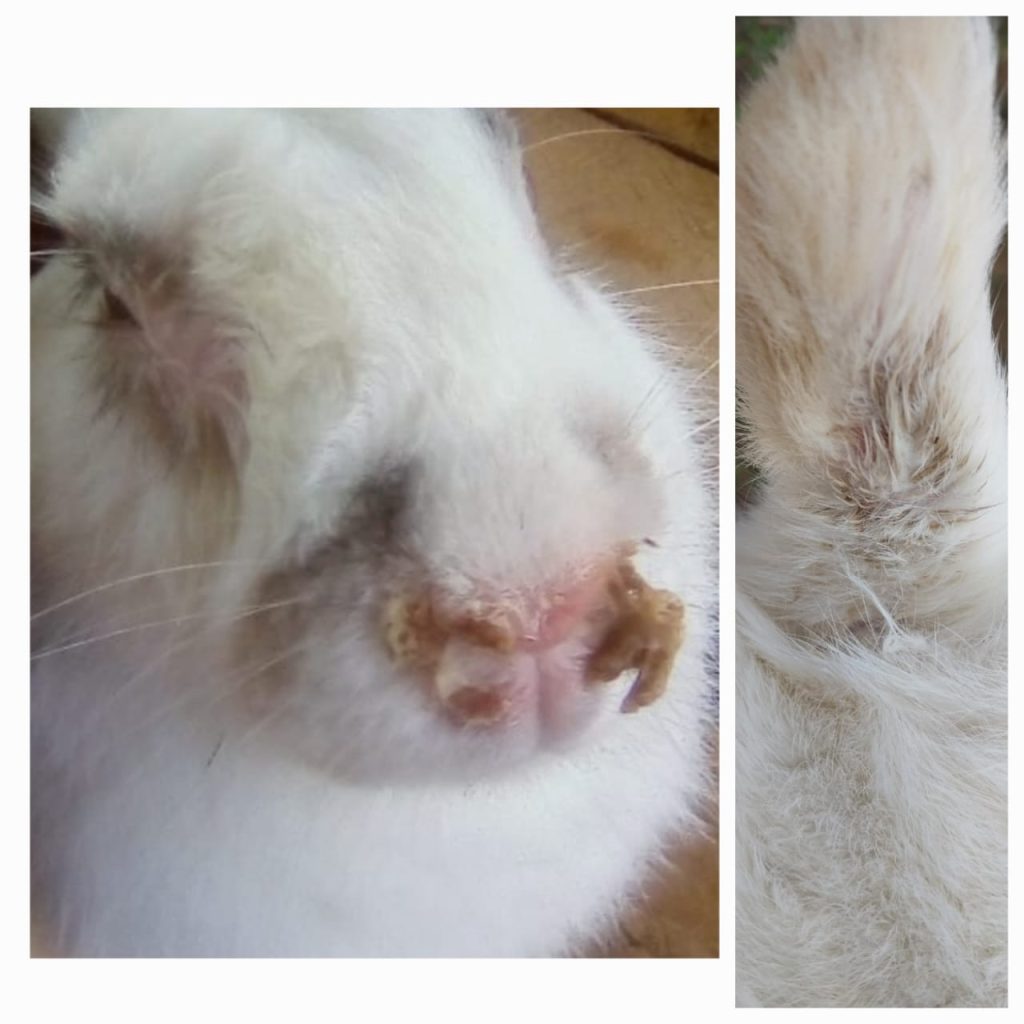
Strong, drafty winds,, will now block but caused death of kits
How so?
Nice piece to learn from
Much welcome Brian! Good luck in your farming.
The information has helped me a lot💞💞
Much welcome Mr Dimo! Good luck in your rabbit farming.
This is a very good piece to learn from as a new farmer. Thank you for the highlights🙏
Hi Nina,
We are glad to hear that the article was helpful to you!